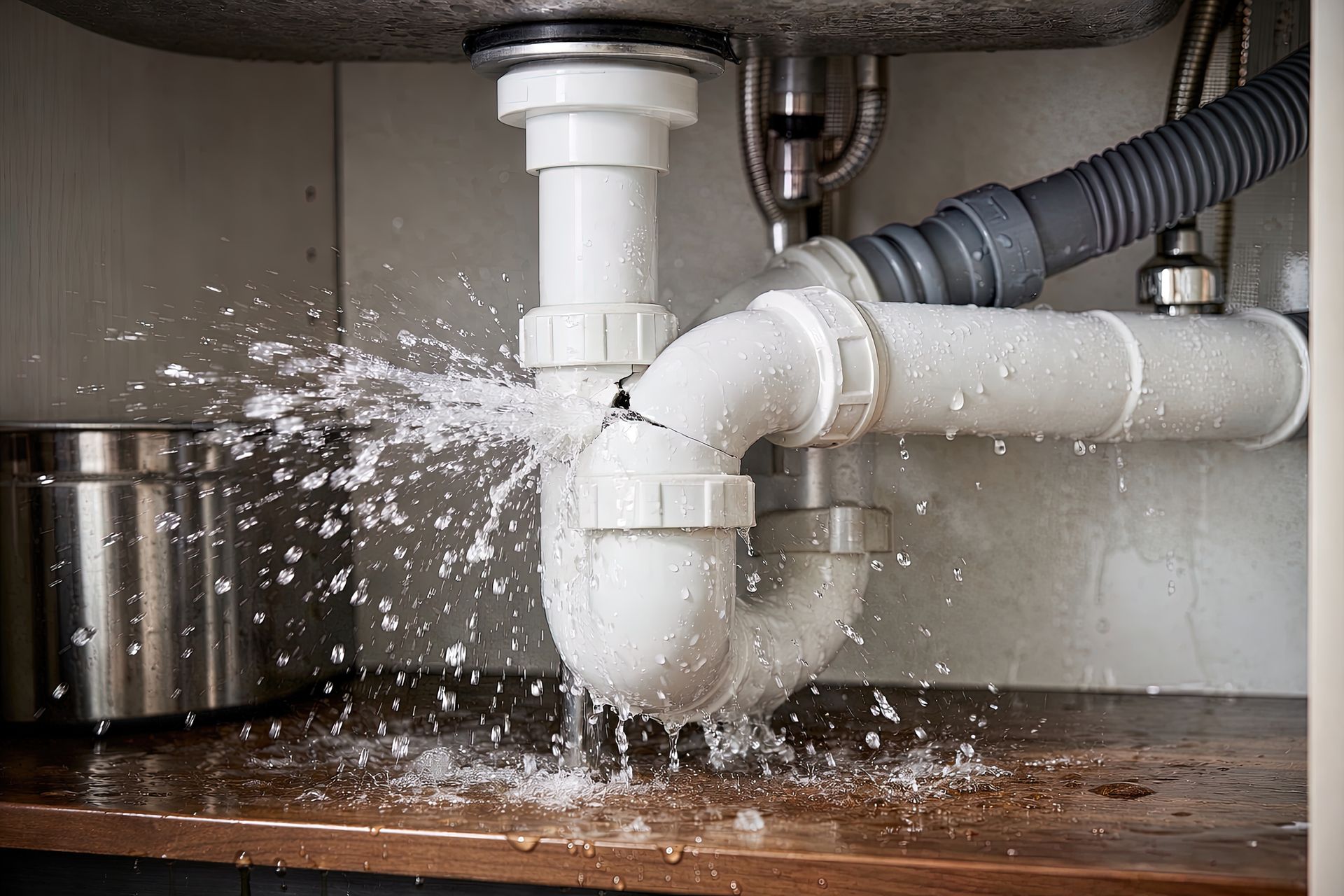
Local Plumber for Fort Gratiot, MI: Recognizing Signs of Root Intrusion in Clay Tile Sewer Lines
Many Fort Gratiot, MI, homes were built decades ago and still have clay tile sewer lines underground. At A.Webster Sewer & Drain, we have seen firsthand how those aging pipes fail, what root intrusion looks like from the inside out, and why a camera inspection is the most reliable way to confirm the problem before repairs begin. If you have been searching for a local plumber for Fort Gratiot, MI, understanding these warning signs early can save you from a much larger repair bill down the road. Homeowners who act quickly are far better positioned to avoid a costly full line replacement. Call us today at (810) 479-6026 for a free quote.
Why Clay Tile Sewer Lines Are Vulnerable to Tree Roots
Clay tile sewer lines are especially susceptible to root damage. Clay tile pipe was commonly installed until the late 1980s and was easily penetrated by tree roots. Many homes in Fort Gratiot, MI, and neighboring Port Huron were built well before that era, which means a large number of properties in St. Clair County still have these older pipes running beneath their yards.
Root intrusion tends to begin at the joints. As mortar and seals fail, tiny gaps form, and tree roots naturally seek moisture and nutrients. They find these gaps, grow inside the pipe, and eventually create a mat that catches everything flowing through.
Michigan's freeze and thaw cycles also stress pipe joints over time, widening the small gaps that roots need to enter. Fort Gratiot sits in St. Clair County where cold winters are a regular reality, and that seasonal ground movement accelerates joint separation in older clay lines. When you work with our team, you get advice tailored to what clay tile pipes in this area actually go through each year.
What Are the Warning Signs of Root Intrusion in a Sewer Line?
Recognizing root intrusion early can prevent a minor issue from becoming a full pipe failure. Partnering with a local plumber for Fort Gratiot, MI, at the first sign of trouble gives you the best chance of catching damage before it escalates. Here are the most common signs homeowners in Fort Gratiot, MI, may notice.
Slow or Gurgling Drains
If not disturbed, roots will completely fill the pipe with multiple hair like root masses at each point of entry. Those root masses quickly become clogged with toilet tissue, grease, and other debris, resulting in reduced flow and slowed drains. When several drains in your home are running slowly at the same time, that pattern often points to a blockage in the main sewer line rather than a single fixture.
Gurgling sounds from your toilet when another drain runs nearby are another signal worth taking seriously. That gurgling typically means air is being pushed back up through the system, which suggests something is restricting flow deep in the line.
Recurring Backups After Clearing
If your drain gets snaked and backs up again within weeks, roots may be the reason. A simple cable cleaning can punch through the root mass and temporarily restore flow, but without a camera inspection, you may not know how serious the intrusion really is. Reaching out to us after a recurring backup is one of the best ways to get a clear answer before the problem worsens.
Wet Spots or Unusually Green Patches in the Yard
When clay tile joints crack or separate under root pressure, wastewater can seep into the surrounding soil. That moisture and nutrient rich water feeds surface vegetation. Keep an eye out for the following visible clues that something may be leaking underground.
A wet or soggy area over the sewer route that does not dry out after rain suggests active leakage below the surface. Noticeably greener or lusher grass directly above the pipe path is another sign that wastewater is feeding roots and vegetation from below.
Foul Odors Near Drains or in the Yard
Sewer gas has a distinct and unpleasant smell. If you notice odors near floor drains, in the basement, or outside near your cleanout, it may indicate that wastewater is escaping from a compromised section of pipe. Clay tile pipes that have cracked under root pressure can allow gases to seep upward before a full backup ever occurs.
How a Camera Inspection Confirms the Problem
A sewer camera inspection takes the guesswork out of diagnosing root intrusion. The camera travels through the pipe and sends live footage to a monitor, allowing our technicians to see exactly where roots have entered, how much of the pipe is blocked, and whether the pipe wall itself has cracked or shifted. Calling a trusted local plumber for Fort Gratiot, MI, to perform this inspection ensures you get an accurate diagnosis before any repair decisions are made.
This matters because the repair approach depends entirely on what the camera reveals. A pipe with early stage root intrusion and intact walls may be cleared with cutting equipment. A pipe that is structurally damaged may need a more involved repair. Without a camera inspection, it is impossible to know which situation you are dealing with.
Get Expert Help Serving Fort Gratiot, MI
If you have noticed any of these warning signs at your Fort Gratiot, MI, property, do not wait for a full backup before calling for help. The right local plumber for Fort Gratiot, MI, can assess the situation quickly and recommend a repair path that fits your specific pipe condition and budget. See what your Fort Gratiot neighbors are saying about A.Webster Sewer & Drain and find out why homeowners across St. Clair County trust us for sewer and drain services that include clay tile pipe repairs and inspection.
Contact our team for a free quote at (810) 479-6026 or visit the Fort Gratiot service page to learn more about available services. You can also explore our full range of sewer and drain cleaning services to understand your options before picking up the phone.



What to Do When a Pipe Bursts in Fort Gratiot: A 2026 Homeowner's Guide to Calling a 24 Hour Plumber